What Does Muse’s Muscle Museum Mean?
7 September 2023, 15:00 | Updated: 26 September 2023, 16:14



Matt Bellamy and co spilled the beans on the classic Muse track and how the band came up with the title.
Muscle Museum is one of Muse’s early classics. Taken from their stunning debut album, Showbiz, which was released on 7th August 1999, Muscle Museum was released a few months later in November 1999 during the dying days of the Millennium.
The song and its title made quite the impact, but what is what is a Muscle Museum anyway and what was the song's inspiratin?
Can you see that I am needing
Begging for so much more
Than you could ever give?
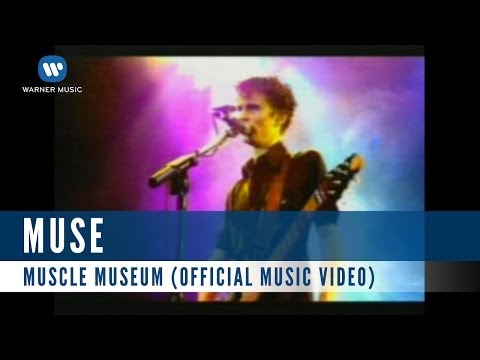
Muse - Muscle Museum (Official Music Video)
Matt Bellamy has said in the past that the song is "About how people don't really face up to their inner emotions a lot of the time and they just get on with their mundane life”, but what does the title mean, specifically?
Does the phrase “muscle museum” have any significance or story behind it?
Well, apparently not.

Muse on the meaning of Muscle Museum and Plug-In Baby
Bellamy recently told Chris Moyles the actual story behind the title.
“In the early days, we didn’t know what to call the songs,” he admitted.
“With Muscle Museum, we looked up ‘Muse’ in the dictionary and the word that was before ‘muse’ was ‘muscle’ and the word that came after was ‘museum’.
“That’s where that title came from. It was completely random and it’s got no meaning whatsoever!”
So now you know. But it’s still an all time Muse classic.